Wedding Reception Timeline: How to Plan a Celebration That Flows
From the first toast to the last dance, make every moment count.
After the vows are exchanged, it’s time to celebrate. Your wedding reception is the chance to gather your favorite people, share a memorable meal and enjoy the beginning of your next chapter together.
But here’s something worth remembering: Your reception doesn’t have to follow a strict formula.
Some couples love the traditional sequence of a grand entrance, first dance, dinner, speeches, cake cutting and dancing. Others prefer a longer cocktail hour, a relaxed dinner-party atmosphere or a celebration with fewer formalities.
Both approaches can be beautiful.
Whether you’re hosting an elegant ballroom reception or a waterfront celebration in the Lowcountry, the key is creating a timeline that feels natural, keeps guests comfortable and leaves room for the moments you’ll remember most.
What Is the Traditional Wedding Reception Order?
A traditional wedding reception often follows this general sequence:
- Cocktail hour
- Grand entrance
- First dance
- Dinner service
- Toasts and speeches
- Parent dances
- Cake cutting
- Open dancing
- Bouquet toss or other optional traditions
- Late-night snacks
- Last dance and send-off
This format gives the evening structure and helps vendors coordinate their responsibilities.
But it’s only a starting point. You can rearrange events, combine moments or skip traditions that don’t feel meaningful.
Work with your planner, venue, caterer and entertainment team to build a schedule that suits your celebration.
Grand Entrance: Start the Celebration Your Way
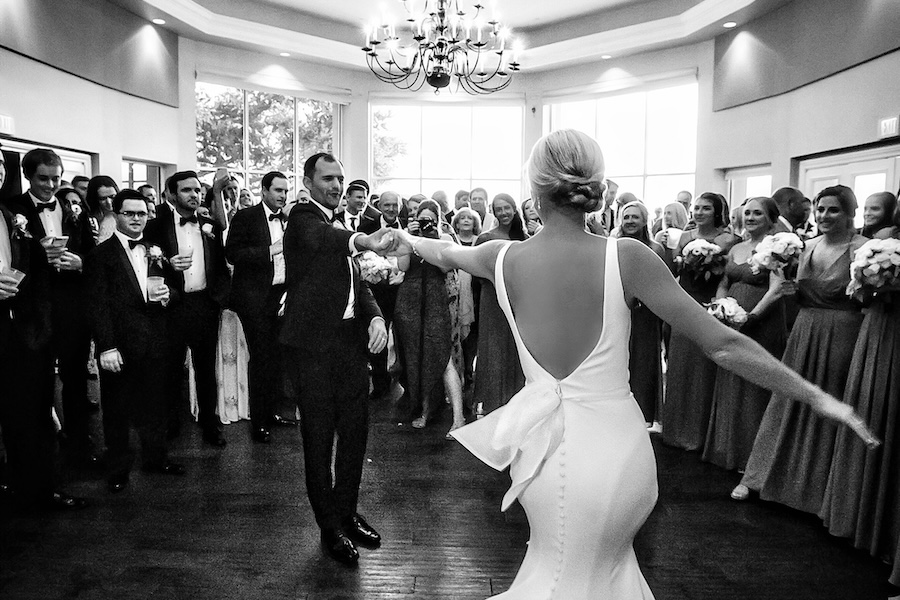
The grand entrance is your first introduction as newlyweds at the reception.
For some couples, it’s a high-energy moment with music, cheers and the wedding party joining the fun.
Others prefer something quieter, such as entering together without a formal announcement or greeting guests as they arrive.
Planning tip: If you choose a grand entrance, keep it relatively short so guests can settle in and the evening can continue naturally.
First Dance: Make It Meaningful
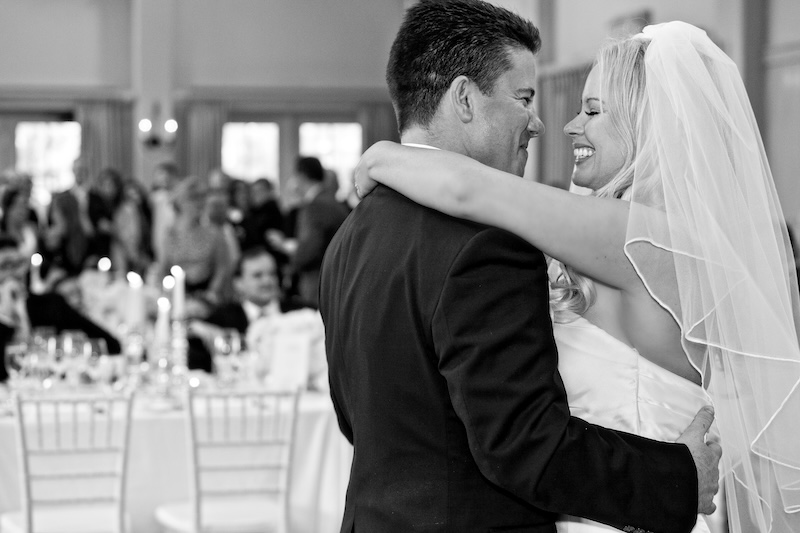
The first dance is a chance to share a moment together, but it doesn’t have to happen immediately after the grand entrance.
You might dance before dinner, after the meal or even during cocktail hour.
If dancing isn’t your thing, consider another way to mark the moment. A favorite song, a short musical performance or a quiet moment together can be just as personal.
Choose what feels comfortable rather than worrying about what you’re supposed to do.
Dinner Service: Make It More Than a Meal
Dinner is often one of the most memorable parts of a wedding reception.
Whether you choose a plated meal, buffet, food stations or family-style service, work with your caterer to create an experience that fits your venue and guest count.
The Dinner-Party Wedding Reception
One approach gaining attention is a reception that feels more like an intimate dinner party.
Picture long tables, warm candlelight, passed platters and plenty of conversation.
Family-style service can encourage guests to interact, while thoughtful seating arrangements help create a welcoming atmosphere.
This doesn’t mean you need a small wedding or an unconventional venue.
A traditional ballroom, hotel or resort can feel just as intimate with the right layout, lighting and dining experience.
Wedding Reception Seating Ideas
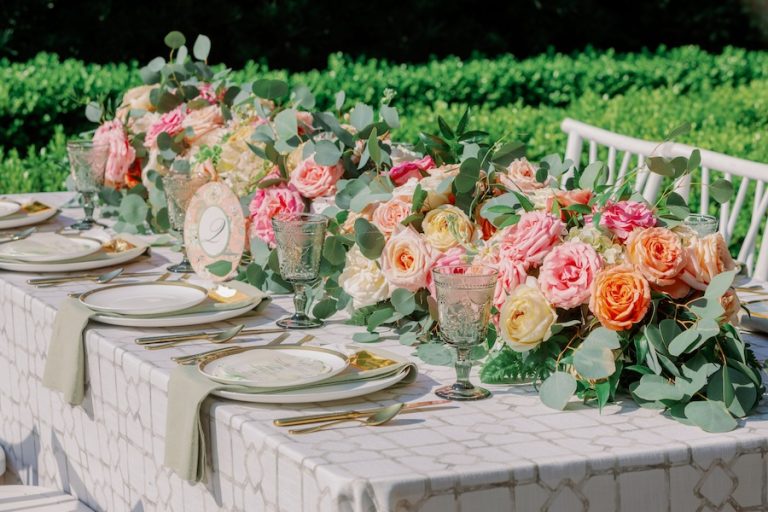
Instead of assuming every table must be round and identical, consider the possibilities:
- Long banquet tables: Create a communal dining atmosphere.
- Curved or serpentine tables: Add visual interest and encourage conversation.
- Smaller groupings: Offer a more intimate feeling for guests.
- Traditional round tables: Remain a practical and elegant option for many receptions.
Before choosing a layout, work with your planner and venue to confirm seating capacity, accessibility, service paths and room for dancing.
Pro tip: Make sure the newlyweds have time to eat. It’s surprisingly easy to get caught up in conversations and miss your own dinner.
Toasts and Speeches: Keep the Best Moments
Wedding speeches can bring laughter, happy tears and unforgettable memories.
But you don’t need a long lineup of speakers simply because it’s traditional.
Choose the people whose words will mean the most to you.
The best man, maid of honor, parents or another important person may want to share a toast. A short thank-you from the couple can also be a lovely touch.
Planning tip: Give speakers a suggested time limit of about three to five minutes. Your planner or entertainment team can help coordinate the order and keep the evening moving.
If you’d rather skip formal speeches altogether, that’s an option too.
Parent Dances: Honor Your Relationships
Parent dances are meaningful traditions for many families.
You might choose a father-daughter dance, mother-son dance or another dance that honors someone important in your life.
The music can be sentimental, upbeat or unexpected.
You can also combine dances, invite family members to join or skip the tradition entirely.
The purpose is to celebrate meaningful relationships, not to follow a required checklist.
Wedding Cake: A Sweet Moment With Personality
Wedding cakes are becoming another opportunity for couples to express their style.
A classic tiered cake remains a beautiful choice, but there are many other ways to make dessert memorable.
Sculptural and Artistic Wedding Cakes
Some couples are choosing cakes with distinctive textures, sculptural forms, dramatic details and fashion-inspired finishes.
Instead of focusing on sheer size, the cake becomes a thoughtfully designed centerpiece.
Ruffles, unusual shapes and intricate surfaces can make a smaller cake feel just as striking as a towering display.
Shared Desserts and Interactive Displays
Other couples prefer a more communal approach.
A dessert table, grazing-style cake display or selection of sweets can invite guests to explore and enjoy dessert at their own pace.
Cupcakes, pastries and other favorite treats can also take the place of a traditional wedding cake.
Do You Need a Cake-Cutting Ceremony?
Not necessarily.
If you love the tradition, enjoy it. If you’d rather keep the celebration moving, dessert can be served without a formal announcement.
The most important thing is making sure guests know when and where dessert will be available.
Dance Floor Opens: Keep the Energy Going
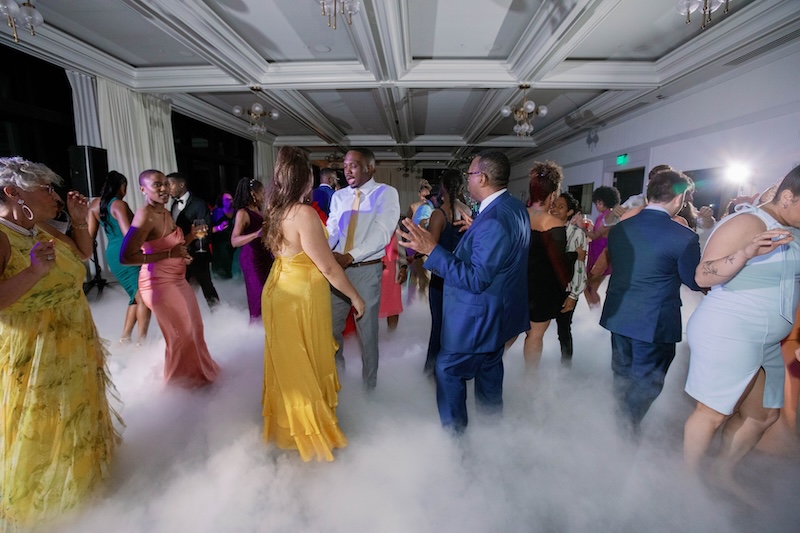
When it’s time to dance, let your band or DJ build momentum.
A mix of familiar favorites and newer music can help guests of different ages enjoy the celebration.
Some couples open the dance floor early, while others prefer to finish dinner and speeches first.
Talk with your entertainment team about the atmosphere you want and how the music can support the flow of the evening.
Pro tip: If you want guests on the dance floor, don’t be afraid to lead the way.
Bouquet Toss, Garter Toss or Neither?
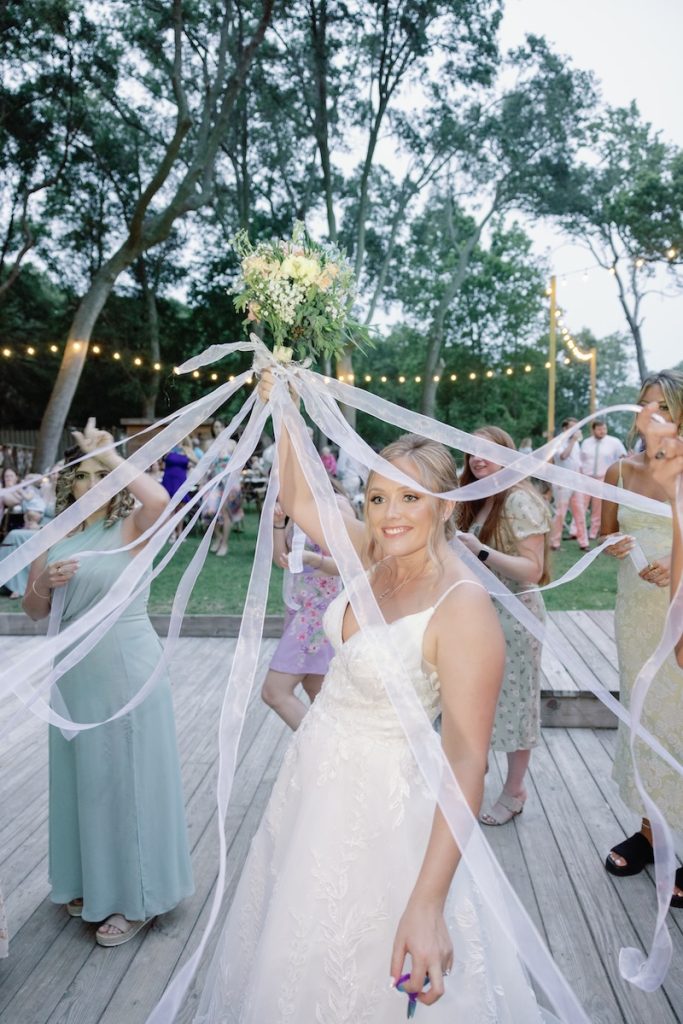
Some couples love the bouquet toss or garter toss. Others would rather skip them.
Both choices are fine.
If you include these traditions, keep them lighthearted and consider whether your guests will enjoy participating.
You can also replace them with another moment, such as inviting everyone onto the dance floor for a favorite song.
There is no need to interrupt a great party for a tradition that doesn’t feel right.
Late-Night Snacks: A Welcome Surprise
After several hours of celebrating, guests may appreciate something delicious before the evening ends.
Sliders, fries, pizza slices or a favorite local specialty can give everyone a second wind.
Coordinate timing with your caterer and venue so the food arrives when guests are ready for it.
Late-night snacks can also be a fun way to incorporate a food you love as a couple.
Last Dance and Wedding Send-Off
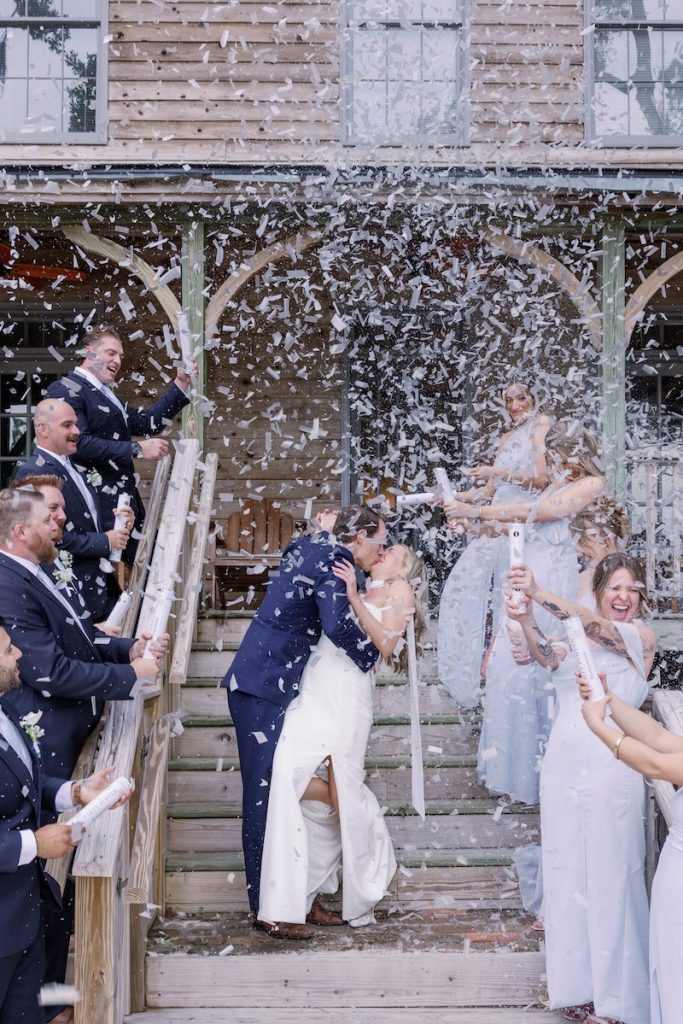
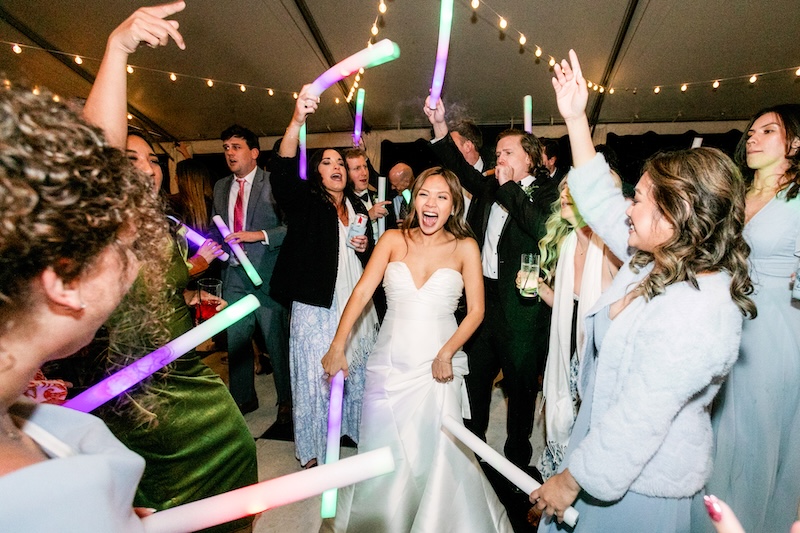
A last dance can be a memorable way to close the evening.
Choose a meaningful slow song, an upbeat favorite or a group singalong.
Some couples follow it with a formal send-off, while others prefer a quieter departure.
If you’re considering sparklers, petals or another exit detail, confirm your venue’s rules and safety requirements before making plans.
A send-off doesn’t need to be elaborate to feel special.
A More Flexible Wedding Reception Timeline
One of the biggest shifts in wedding celebrations is the move toward keeping only the traditions couples genuinely enjoy.
Sometimes called a deconstructed wedding, this approach allows the evening to unfold with fewer interruptions and more natural transitions.
That might mean:
- A longer cocktail hour with more time for conversation
- Dinner before the ceremony in a nontraditional celebration
- A first dance during cocktail hour
- Fewer speeches or no formal speeches
- Dessert served without a cake-cutting announcement
- Dancing that begins earlier in the evening
- A relaxed ending without a formal grand exit
The goal isn’t to eliminate structure. It’s to create a schedule that supports the experience you want.
Traditional vs. Flexible Reception Timeline
Here are two example approaches. These are illustrative sequences, not fixed schedules.
Traditional reception
- Cocktail hour
- Grand entrance
- First dance
- Seated dinner
- Speeches and parent dances
- Cake cutting
- Open dancing
- Late-night snack
- Last dance and send-off
Flexible dinner-party reception
- Extended cocktail hour
- Guests seated for a welcoming dinner
- Short welcome toast
- Family-style meal with time to mingle
- Dessert served during conversation
- First dance or special song
- Open dancing
- Informal farewell
Your planner can adjust either format around the ceremony time, catering service, photography and venue requirements.
Lowcountry Wedding Reception Planning Tips
Planning a reception in Hilton Head Island, Bluffton or Beaufort comes with a few practical considerations.
Prepare for Outdoor Weather
Heat, humidity, rain and changing weather can affect outdoor receptions.
Ask your venue about covered spaces, indoor backup options and how quickly a reception setup can be moved if necessary.
Consider Sunset and Lighting
Waterfront views and golden-hour light can be beautiful, but sunset timing changes throughout the year.
Coordinate with your photographer and planner so important moments don’t conflict with portraits or fading daylight.
Think About Transportation
For destination weddings, guests may be traveling between hotels, ceremony locations and reception venues.
Provide clear directions and transportation information so everyone can enjoy the celebration without unnecessary confusion.
Plan for Guest Comfort
Consider shade, seating, accessibility and how far guests will need to walk between different parts of the venue.
Thoughtful details can make a meaningful difference, particularly for outdoor celebrations or guests with mobility needs.
Confirm Venue Rules
Ask about music end times, noise restrictions, outdoor lighting, candles, send-offs and any special setup requirements.
These details can influence the reception timeline and prevent last-minute surprises.
Make Room for the Unexpected
A great wedding reception balances planning with spontaneity.
Your timeline should help everyone stay organized, but it shouldn’t make the celebration feel like a series of announcements.
Choose the traditions that matter, make room for good food and meaningful conversation, and give yourself permission to enjoy the evening.
The best wedding receptions aren’t necessarily the ones that follow every tradition. They’re the ones that feel like the people being celebrated.