How to Choose a Wedding Caterer and Plan a Memorable Menu
Bring your story to the table with thoughtful, crowd-pleasing food.
If there is one thing guests remember about a wedding, it’s often the food. A wonderful meal brings people together, keeps the celebration going and gives everyone something to talk about long after the last dance.
But wedding catering is about more than deciding between chicken and fish.
Today’s couples are making food a meaningful part of the celebration, choosing menus that reflect their favorite meals, family traditions and the place where they’re getting married.
For a wedding in Hilton Head Island, Bluffton or Beaufort, that might mean fresh local shrimp, an oyster-roast welcome party or warm biscuits shared around the dinner table.
Whether you’re planning a formal plated dinner or a relaxed celebration with interactive food stations, the right caterer can help you create something personal, delicious and memorable.
Here’s how to choose a wedding caterer and plan a menu that feels like you.
Start With Your Favorite Foods
Before reviewing catering packages, think about the meals you and your partner genuinely enjoy.
Is there a restaurant where you celebrated a special occasion? A family recipe that always brings everyone together? A dish you discovered while traveling?
Your wedding is an opportunity to share those experiences with your guests.
Maybe you want a signature appetizer inspired by your first date or a dessert that reminds you of your hometown.
You don’t need to build the entire menu around your personal history. Even one or two meaningful touches can make the meal feel special.
Planning tip: Tell prospective caterers which foods matter most to you. A creative caterer may be able to incorporate those flavors into a menu that works for your guest count, venue and budget.
Consider Your Wedding Catering Style
The way you serve food influences the atmosphere of your reception.
Think about how formal or relaxed you want the celebration to feel and how much time you want guests to spend dining, mingling and dancing.
Plated Dinner
A plated meal is a classic choice for formal weddings.
Guests remain seated while servers bring each course to the table. This creates a structured dining experience and works well for couples who envision an elegant reception.
Ask your caterer about meal selections, dietary accommodations and the number of servers required.
Buffet Service
A buffet allows guests to choose from several dishes and can create a more relaxed atmosphere.
Your caterer should help plan the layout and service flow to prevent long lines.
Interactive Food Stations
Food stations can make dinner feel like part of the entertainment.
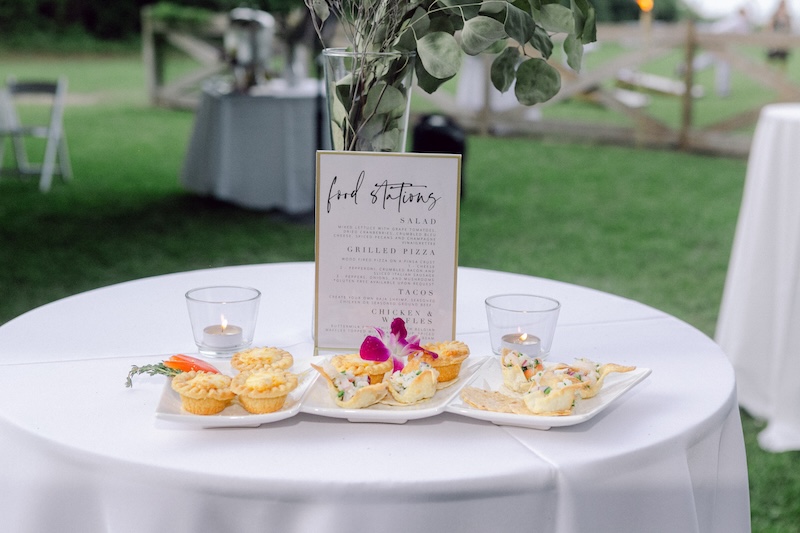
Consider a raw bar, chef-attended station, build-your-own taco bar or another interactive option that fits your menu.
Stations also encourage guests to move around and mingle.
Family-Style Dining
Family-style service brings platters and shared dishes directly to the tables.
Guests serve themselves and pass food around, creating the welcoming atmosphere of a dinner party.
This approach can work beautifully for couples who want the meal to feel communal and personal.
Pro tip: Ask your caterer which service style works best for your venue, guest count and reception schedule. Each option has different staffing, space and equipment requirements.
Bring Lowcountry Flavor to Your Wedding Menu
One of the advantages of getting married in the Lowcountry is the opportunity to introduce guests to the region through food.
Local seafood, Southern hospitality and regional traditions can make your wedding menu feel connected to Hilton Head Island, Bluffton and Beaufort.
Here are a few ideas to discuss with your caterer.
Host an Oyster-Roast Welcome Party
An oyster roast can be a memorable way to welcome guests to the Lowcountry.
It’s especially fitting for couples planning a wedding weekend with friends and family traveling from out of town.
A casual gathering around oysters can set a relaxed tone before the wedding day.
Ask your caterer about seasonal availability, food safety, venue requirements and alternatives for guests who don’t eat shellfish.
Serve Local Shrimp During Cocktail Hour
Shrimp is a natural choice for a Lowcountry-inspired menu.
Consider chilled shrimp, shrimp and grits served in small portions or another preparation that suits your reception.
Your caterer can help select dishes that are practical to serve and appropriate for the season.
Make a Raw Bar a Focal Point
A beautifully presented raw bar can serve as both a food station and a visual centerpiece.
Talk with your caterer about presentation, staffing, safe temperature control and how to accommodate guests with seafood allergies.
Add Warm Southern Touches
Not every memorable dish needs to be elaborate.
Warm biscuits served at dinner, a favorite family recipe or a thoughtfully prepared regional side dish can bring a sense of place to the table.
End the Night With Something Familiar
Late-night snacks can also tell your story.
Maybe it’s a favorite comfort food, a dish you enjoyed on a memorable vacation or something guests associate with the Lowcountry.
The most meaningful menus often combine personal favorites with thoughtful regional details.
Make Food Part of the Wedding Experience
Wedding food doesn’t have to be limited to a plate placed in front of each guest.
Thoughtful presentation and interactive service can make the meal part of the celebration itself.
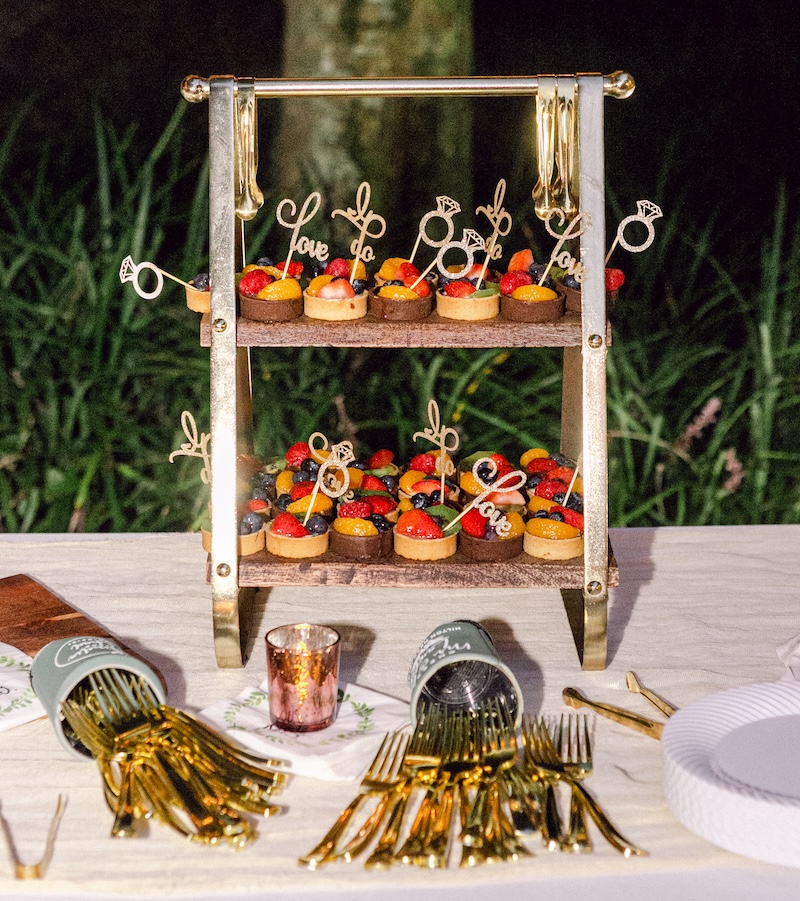
A colorful display of appetizers, an abundant seafood station or beautifully arranged shared platters can create visual interest while giving guests something delicious to enjoy.
The key is balancing presentation with practicality.
A food display should be easy for guests to access, properly staffed and designed with food safety in mind.
Choose Experiences That Fit Your Celebration
Consider whether you want guests to:
- Gather around an interactive station
- Share platters at long dinner tables
- Enjoy passed appetizers during cocktail hour
- Discover regional dishes they may never have tried
- Finish the evening with a favorite late-night snack
You don’t need every option.
Choose the experiences that complement your menu, venue and overall wedding atmosphere.
Wedding Catering Ideas Worth Considering
If you’re looking for inspiration, these options can add variety and personality to the meal:
- Interactive stations: Taco bars, ramen bowls, raw bars or chef-attended displays
- Family-style meals: Shared platters that encourage conversation
- Late-night snacks: Sliders, fries, pizza or mini milkshakes
- Plant-forward dishes: Thoughtful vegetarian or vegan entrées
- Regional favorites: Shrimp and grits, seasonal fish or Carolina barbecue
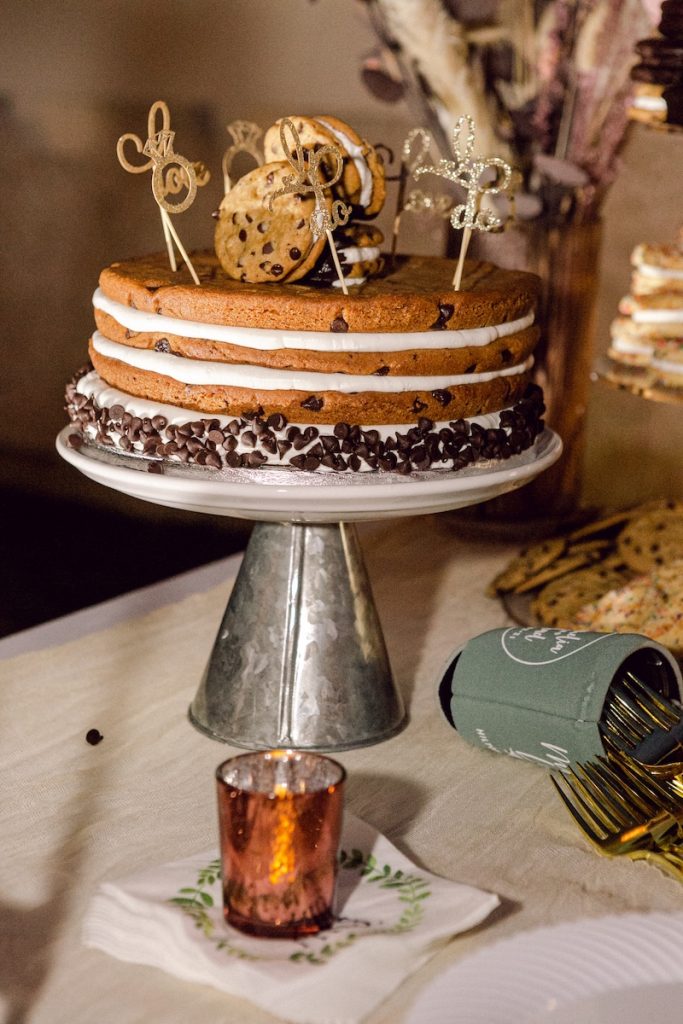
- Personal desserts: Family recipes or treats connected to meaningful memories
The best ideas are the ones that fit your preferences and make sense for the event.
Taste Before You Commit
Schedule a tasting before finalizing your menu whenever possible.
A tasting gives you the chance to experience the caterer’s food, presentation and approach to service.
Pay attention to more than flavor.
Does the food arrive at the right temperature? Is the presentation consistent with your vision? Does the caterer listen to your questions and offer practical suggestions?
Questions to Ask During Your Wedding Catering Tasting
- Can we customize the menu?
- Which dishes work best for our guest count?
- Can you accommodate dietary restrictions?
- Are there seasonal ingredients you recommend?
- How will the food be prepared and served at our venue?
- What substitutions might be necessary if an ingredient is unavailable?
- Is the tasting included in the catering package?
A good tasting should leave you confident in both the food and the people preparing it.
Talk Through the Catering Details Early
Before signing a contract, make sure you understand exactly what’s included.
Some caterers provide food, service staff, rentals and bar service. Others focus primarily on preparing and delivering the meal.
Ask about:
- Menu pricing and any minimum spending requirements
- Staffing and service charges
- Taxes and gratuities
- Delivery, setup and cleanup
- Tables, linens, dishes, glassware and serving equipment
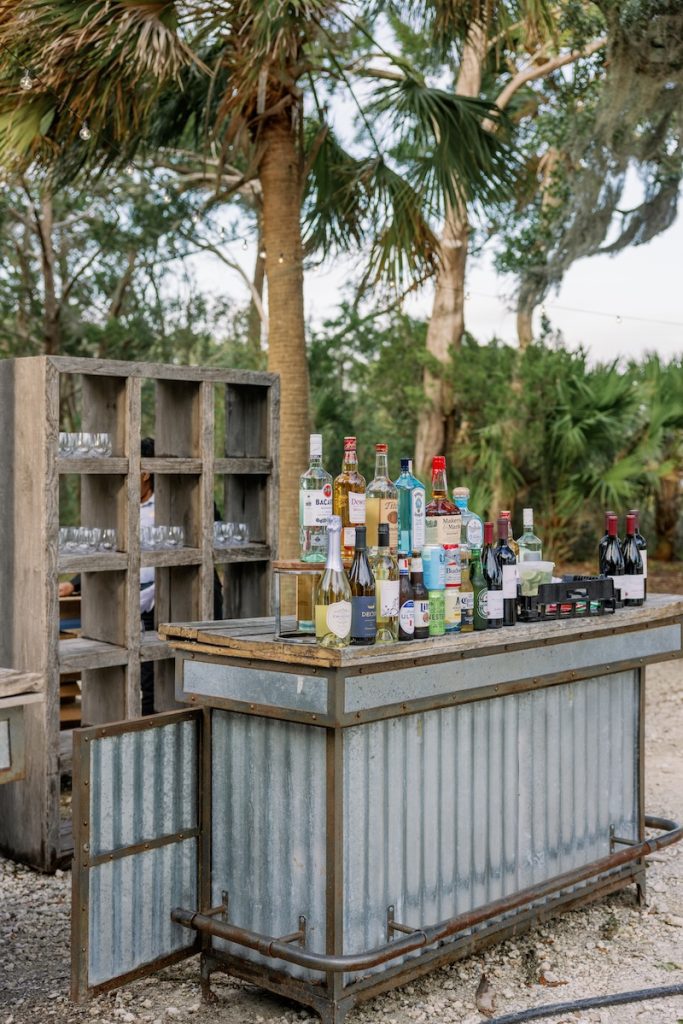
- Bar service and beverage packages
- Kitchen and preparation facilities
- Final guest-count deadlines
- Payment schedules and cancellation terms
- Backup plans for outdoor service
Planning tip: Request a detailed written proposal so you can compare caterers based on the complete service, not just the per-person menu price.
Plan for Every Guest
A thoughtful menu considers the people attending your celebration.
Ask guests about dietary restrictions when collecting RSVPs and share that information with your caterer before finalizing the menu.
Common considerations include food allergies, vegetarian or vegan preferences and children’s meals.
If you’re serving shellfish, make sure guests have other appealing options.
Work with your caterer on ingredient information, cross-contact precautions and how special meals will be identified and served.
The goal is to make every guest feel included without making the meal unnecessarily complicated.
Trust Your Caterer’s Expertise
An experienced wedding caterer understands more than food.
They can help estimate portions, coordinate service, plan around your venue and recommend dishes that will work well for your celebration.
Once you’ve chosen a professional you trust, give them room to guide the details.
Share your priorities, communicate clearly and make sure everyone understands the plan.
Then enjoy the best part: sitting down with the people you love and sharing a meal worth remembering.
The best wedding menu isn’t necessarily the most elaborate. It’s the one that reflects your story, welcomes your guests and gives everyone something wonderful to enjoy.